Marketers spend a lot of time making follow-up sound complicated.
We call it nurture. Retargeting. Multi-touch engagement. Conversion journey. Re-engagement sequence. Campaign orchestration. We create workflows, dashboards, subject lines, CTAs, landing pages, and reports that tell us someone opened the email, clicked the link, visited the page, and then did absolutely nothing.
That is usually when marketing begins its second job.
Following up.
Not shouting. Not begging. Not sending the same message again with “Just checking in” added at the top like a formal apology. Real follow-up is different. It is the art of repeating the same ask creatively enough, patiently enough, and clearly enough that the person finally acts.
A few days ago, my Labrador taught me this better than any marketing dashboard could.
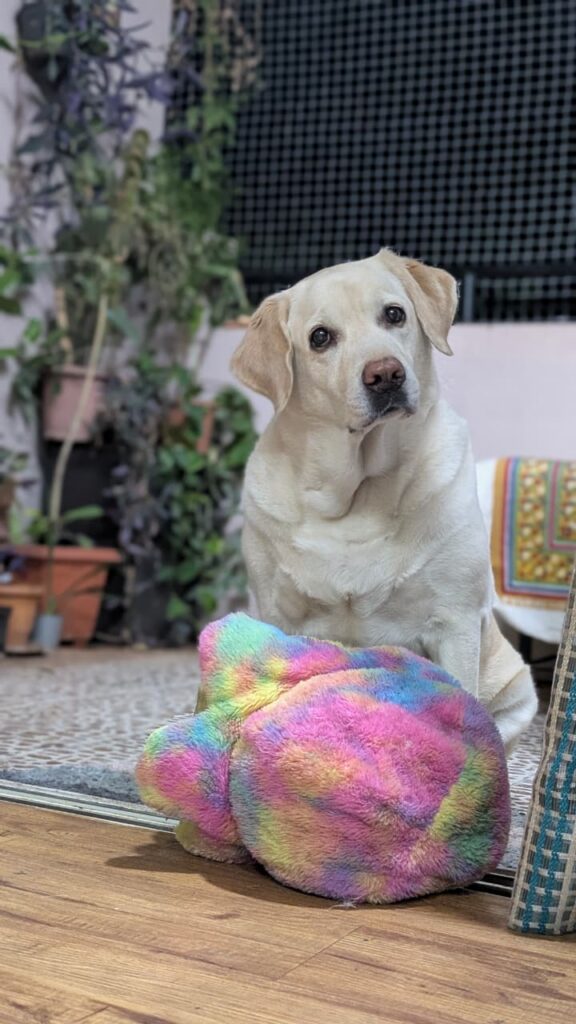
Her name is Phoebe. She is nine years old, deeply emotional, selectively obedient, and fully convinced that every drawer in the house exists for her future benefit.
My wife and I were sitting on the couch watching the new season of The Rookie. It was one of those peaceful evenings where the only real decision was whether to watch one more episode or pretend we had discipline.
Then Phoebe entered the room.
Not casually. Not randomly.
With purpose.
She Did Not Start With the Ask
Phoebe first came near the couch and looked at us with that innocent Labrador face that has probably manipulated human civilization for centuries. I petted her. Once. Then again. Then again.
As a human, I thought the matter was settled.
Dog came. Dog received affection. Dog should now go.
But Phoebe had not come for affection. Affection was only the opening touchpoint. Her actual goal was sitting in the drawer near the TV.
The treat.
This is where most marketers should immediately feel attacked.
Because how often do we assume that engagement means the audience understood the ask? Someone opens an email, clicks a link, scrolls through a page, maybe even watches a video, and we start behaving like the campaign is working perfectly.
But engagement is not conversion. Sometimes, the audience is only petting the campaign. Phoebe understood this. I did not.
She Made the Desired Action Obvious
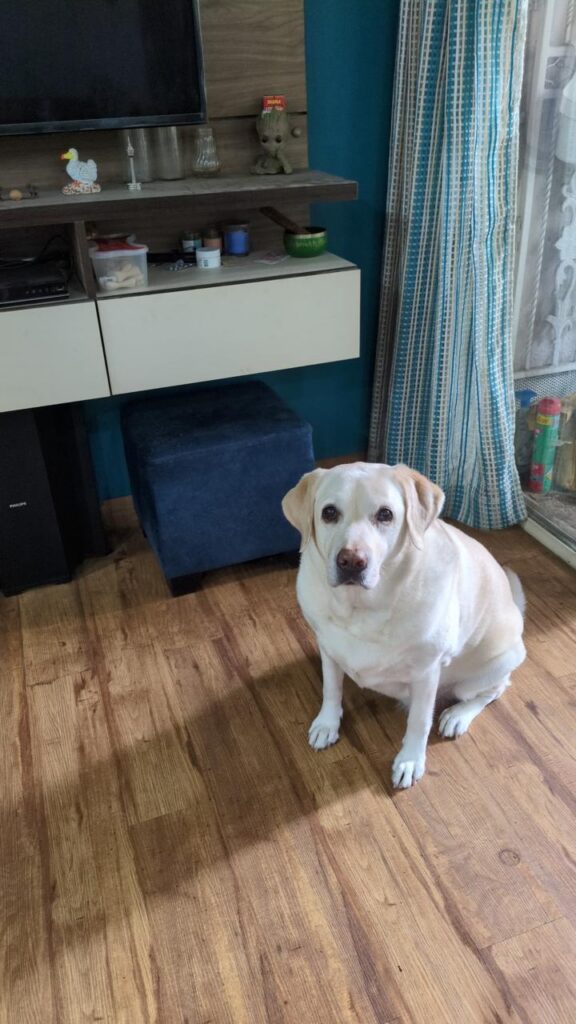
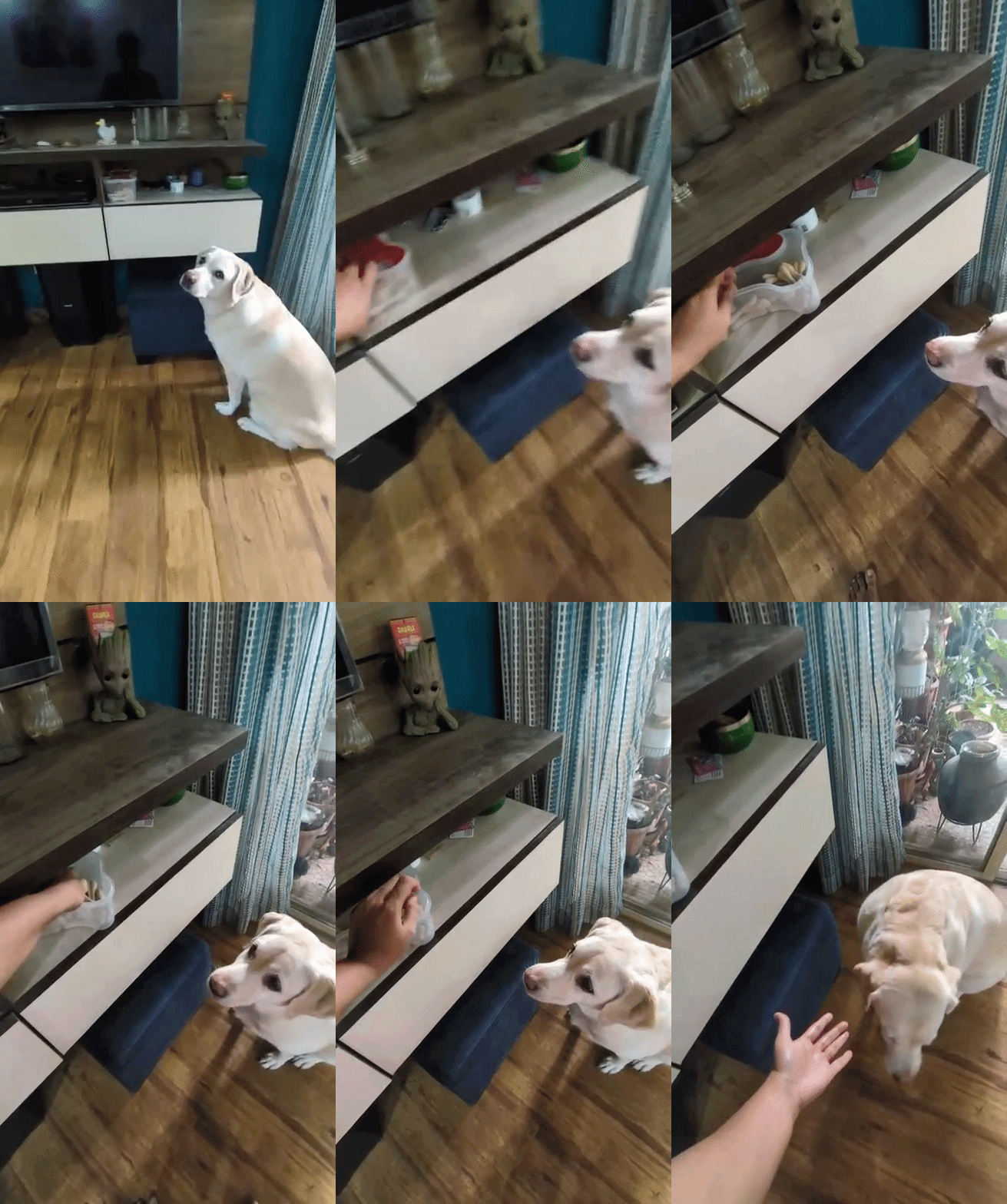
After realizing that I had completely misunderstood the situation, Phoebe got up and moved near the drawer.
This was Phoebe turning herself into a living CTA.
She sat near the exact place where the treat was kept and looked at me as if to say, “The answer is here. Please connect the dots before I lose respect for this household.”
Still, I did not move.
So she added sound.
A little whining. Just enough to make her point. Not a full campaign blast. Not a crisis. Just a reminder that the desired action had not yet happened.
And because I am apparently a difficult prospect, I got irritated.
I told her to keep quiet.
This, in marketing terms, is what happens when the audience notices you but is not ready to act. The message is clear, but the timing is wrong. Or the person is distracted. Or the offer is not urgent enough yet. Or they are in the middle of a show and cannot believe even the dog is now running a conversion campaign.
She Knew When to Pause
Here is where Phoebe became better than many follow-up campaigns.
She stopped.
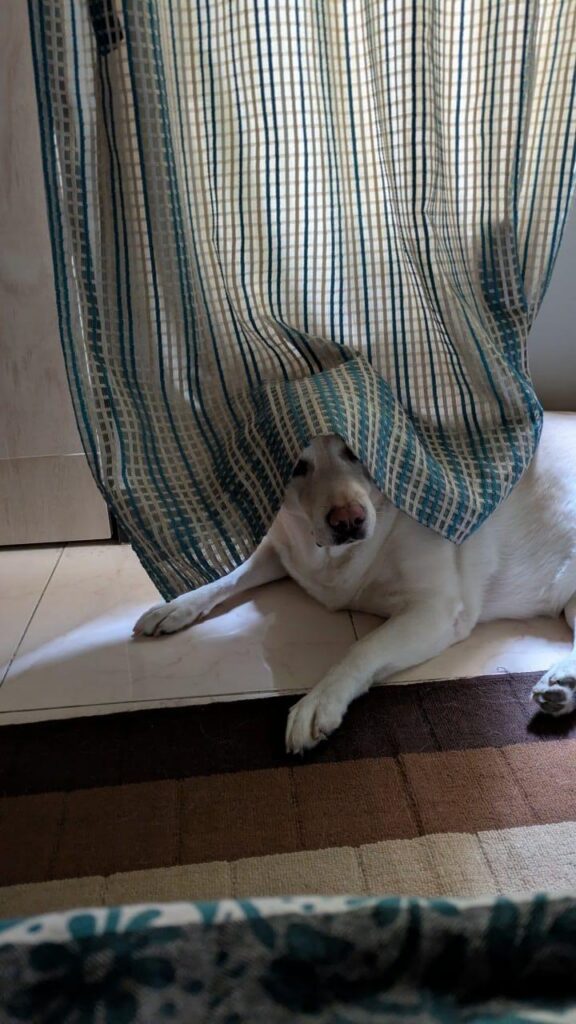
For around twenty minutes, she did nothing. No whining. No staring. No dramatic sighing near the drawer. She let the room breathe.
That pause mattered. Because bad follow-up often fails not because the message is wrong, but because the sender does not know when to stop pressing. The same email comes again. The same CTA appears again. The same “gentle reminder” arrives with the emotional energy of someone tapping on your window at midnight.
Phoebe did not do that. She gave us space.
Of course, she was not giving up. Let us not make her sound saintly. She was waiting. And there is a difference.
Good follow-up does not disappear. It pauses long enough to return without becoming annoying.
She Changed the Approach, Not the Goal
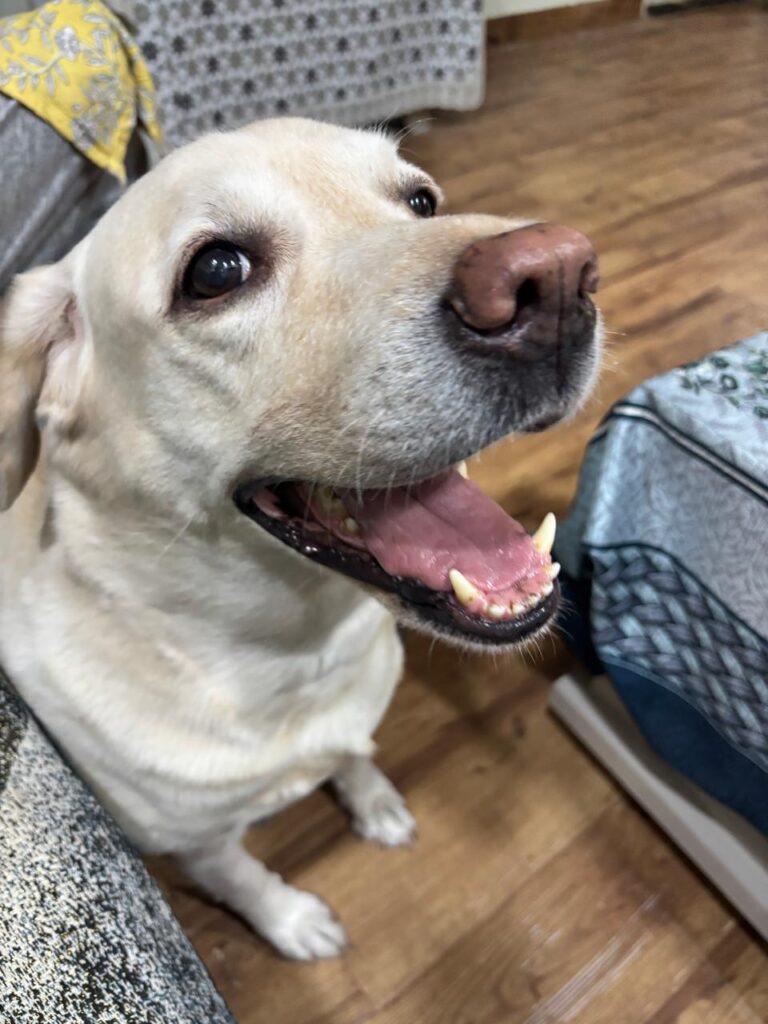
After twenty minutes, Phoebe came back. But this time, she did not begin with the drawer. She came to me first. Tail wagging. Soft eyes. Small lick on the hand. A very polished re-entry.
Earlier, she had tried attention. Then clarity. Then a direct reminder. None of it worked. So she changed the mood before repeating the ask.
That is the part many campaigns miss.
Follow-up is not repeating the same message with slightly increasing desperation. Follow-up is finding a new way to make the same point relevant again.
Phoebe did not change her goal. She still wanted the treat. But she changed the route. She came back warmer, softer, and more persuasive. She got my attention first. Then she moved toward the drawer again and looked at me.
This time, the message landed.
I knew exactly what she wanted. I knew where it was. I knew she had already waited. I knew she was not going to file a support ticket, but emotionally, she was close.
So I got up.
I opened the drawer.
I gave her the treat.
She ate it and went back to her place silently, as if the campaign had always been under control.
What Phoebe Actually Taught Me About Marketing
The lesson was not that marketers should annoy people until they give in. That is not follow-up. That is harassment with branding.
The lesson was that follow-up works when it has timing, clarity, patience, and variation.
Phoebe did not bark continuously. She did not repeat the same behavior every thirty seconds. She did not escalate without thinking. She started gently, made the action clear, paused when the timing was wrong, and returned with a better approach.
That is exactly how good marketing follow-up should work.
When ICPs engage with a campaign but do not take action, the answer is not always “send more.” Sometimes the answer is “say it differently.” Sometimes it is “wait.” Sometimes it is “make the CTA clearer.” Sometimes it is “lead with warmth before asking again.”
The goal stays the same.
The route changes. That is the art.
The Phoebe Follow-Up Framework
Since no respectable marketing lesson is allowed to exist without a framework, here is Phoebe’s.
| Phoebe’s Move | Marketing Translation | What It Teaches |
|---|---|---|
| Walks up and gets attention | First touchpoint | Start with presence before pushing the ask. |
| Gets petted repeatedly | Engagement without conversion | Attention is nice, but it does not mean the audience understood or accepted the CTA. |
| Moves near the drawer | Makes the CTA visible | Do not assume people know what to do next. Make the desired action obvious. |
| Starts whining lightly | First direct follow-up | A clear reminder helps, but tone and timing matter. |
| Gets told to keep quiet | Prospect resistance | A “not now” is not always a “never.” Sometimes the timing is simply wrong. |
| Waits for twenty minutes | Cooling period | Give people space. Follow-up should not feel like pressure with a subject line. |
| Comes back gently | Creative re-entry | Change the approach before repeating the ask. |
| Returns attention to the drawer | Reframed CTA | Repeat the goal, but make the path clearer and easier to act on. |
| Gets the treat | Conversion | Persistence works when it is relevant, patient, and well-timed. |
| Goes back quietly | Post-conversion restraint | Once the action happens, do not overdo it. Let the customer breathe. |
Final Thought
Marketing follow-up is not about saying the same thing again and again until someone finally surrenders.
It is about knowing when to ask, when to pause, when to return, and how to repeat the message without making it feel repeated.
Phoebe did not have a CRM. She did not have automation. She did not have attribution data, remarketing pixels, or a beautifully designed nurture flow.
She had a goal, timing, patience, and a clear understanding of her audience’s weakness.
And honestly, that was enough.
So the next time your campaign gets engagement but no action, do not panic. Do not immediately shout louder. Do not send the same message again and call it optimization.
Pause.
Reframe.
Return with better timing.
And if required, sit near the drawer.
But politely.